
Do Calming Collars Work for Dogs?
Do Calming Collars Work for Dogs? What the Science and Real Owners Say

Last updated: May 2, 2026
Quick Answer: Calming collars can work for dogs with mild to moderate anxiety, particularly for situational triggers like thunderstorms, travel, or vet visits. They’re not a cure for severe anxiety or deep-rooted behavioral issues, but pheromone-based collars in particular have real science behind them. Results vary by dog, anxiety severity, and collar type.
Key Takeaways
- Pheromone-based collars are the most researched type and mimic the natural comfort signals mother dogs release during nursing.
- They work best for mild to moderate situational anxiety, including noise sensitivity, travel stress, and new environments.
- Veterinary experts report mixed results: some dogs respond well, others show little to no change. [2]
- Severe anxiety typically requires more than a collar — think behavioral training, environmental changes, or veterinary-prescribed medication. [2]
- Most collars take anywhere from a few minutes to up to one week to show noticeable effects. [1]
- Scent-based collars (lavender, chamomile) are less studied and may even irritate some dogs. [3]
- Calming collars work best when paired with other calming strategies, not used in isolation.
- Always consult your vet if your dog’s anxiety is sudden, severe, or getting worse.
What Are Dog Calming Collars, and How Do They Work?
Dog calming collars are wearable accessories designed to reduce anxiety-related behaviors in dogs. There are two main types, and they work very differently.
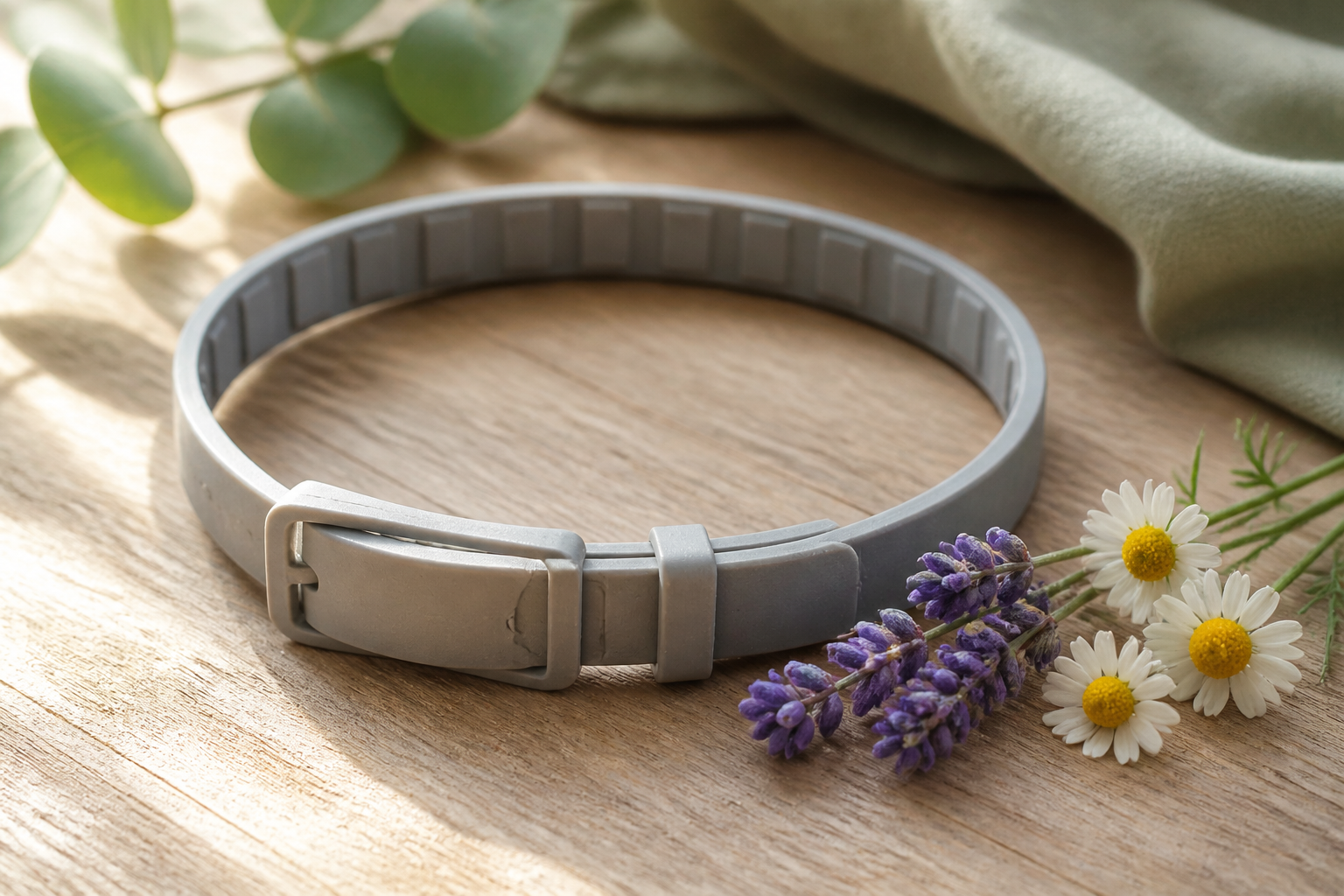
The two main types:
| Type | How It Works | Best For |
|---|---|---|
| Pheromone-based | Releases synthetic Dog Appeasing Pheromone (DAP) | Mild to moderate anxiety, situational stress |
| Scent-based | Infused with herbs like lavender or chamomile | Mild relaxation support (less evidence-backed) |
Pheromone collars are the ones with the most research behind them. They release a synthetic version of Dog Appeasing Pheromone (DAP), which mimics the chemical signals a mother dog naturally produces while nursing her puppies. These pheromones are designed to create feelings of safety and comfort in dogs of all ages. [3]
Scent-based collars take a different approach, relying on aromatherapy-style herbs. While some dogs do seem to relax around lavender or chamomile scents, the evidence here is thinner, and some dogs find strong herbal scents overwhelming or irritating rather than soothing. [3]
So when people ask, “do calming collars work for dogs?” — the honest answer starts with which type of collar you’re talking about.
Do Calming Collars Work for Dogs? What the Research Says
Pheromone-based calming collars have genuine scientific support, though the results aren’t universal. Studies show they can reduce active signs of anxiety, especially in noise-related situations. [1]
Here’s what the research actually found:
- A South Korean study of dogs in hospital settings found that DAP exposure led to measurable reductions in separation anxiety behaviors. [4]
- An Australian shelter study showed that dogs exposed to DAP (combined with music) displayed less anxious and aroused behavior compared to the control group. [4]
- A puppy training study found that puppies wearing DAP collars were more curious, outgoing, and less fearful, and they showed better social adaptation over time. [1]
That said, the veterinary community is careful not to oversell these results. Dr. Turk, a veterinarian cited by Rover, notes seeing “good results” in some cases but “little to no difference” in others. [2] The takeaway: the science is promising, but it’s not a guaranteed fix.
💬 “Collars work best for those who are mildly anxious. For a dog with severe anxiety, a collar is not likely to have much effect.” — Dr. Simon, as cited by Rover [2]
What Types of Dog Anxiety Do Calming Collars Actually Help?
Calming collars are most effective for situational anxiety — anxiety that’s triggered by specific events or environments rather than a chronic, deep-rooted condition. [3]
Where they tend to help most:
- 🌩️ Noise sensitivity (thunderstorms, fireworks, loud construction)
- ✈️ Travel stress (car rides, flights, new environments)
- 🏥 Vet or grooming visits
- 🏠 Mild separation anxiety when left alone for short periods
- 🐾 New home adjustment for puppies or newly adopted dogs
Where they’re less likely to help:
- Severe, chronic separation anxiety
- Aggression rooted in fear or trauma
- Compulsive behaviors like excessive licking or tail-chasing
- Anxiety caused by an underlying medical condition
If your dog’s anxiety is sudden and unexplained — say, they were fine last month and are now trembling every night — a vet visit should come before any collar purchase. Sudden behavioral changes can signal pain, illness, or neurological issues that no collar can address.
For a broader look at what’s available, our guide to calming aids and supplements for dogs covers the full landscape of options worth considering.
How Long Do Calming Collars Take to Work?
Most pheromone collars begin releasing their active compounds within minutes of being put on, but noticeable behavioral changes can take longer. [1]
General timeline:
- Within minutes: The collar starts releasing pheromones
- 24–72 hours: Some dogs show early signs of relaxation
- Up to 1 week: Full effect for many dogs, especially in new or stressful environments [1]
Consistency matters a lot here. A collar worn sporadically won’t give the same results as one worn consistently every day. Most pheromone collars last around 30 days before needing replacement, and they work best when the dog wears them continuously rather than only during stressful events.
Common mistake: Many owners put the collar on right before a stressful event (like a fireworks show) and expect instant results. That’s not how it works. For best results, put the collar on several days before a known stressful event.
Do Calming Collars Work for Dogs With Severe Anxiety?
For dogs with severe anxiety, calming collars alone are unlikely to be enough. Veterinary experts are clear on this point. [2]
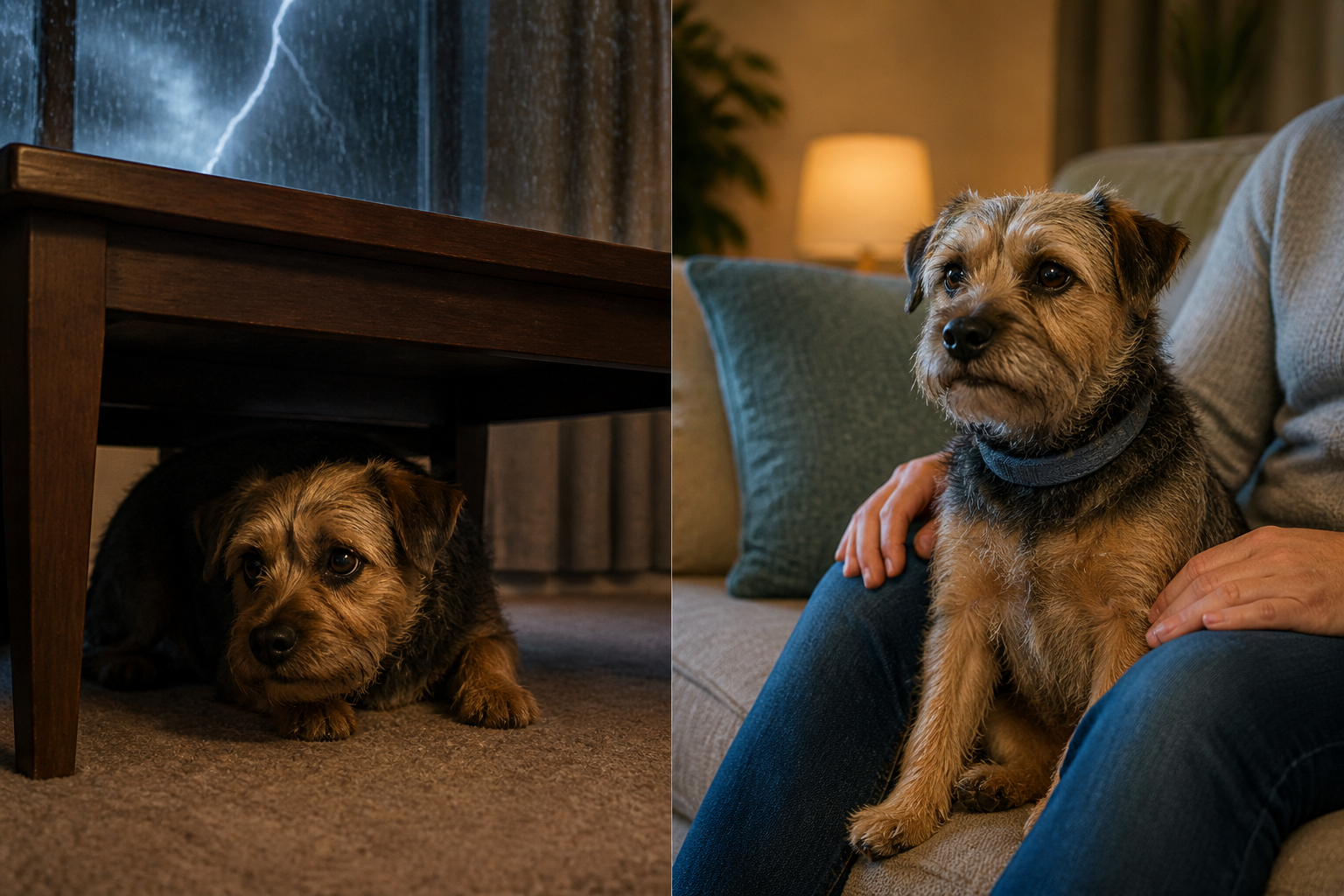
Severe anxiety in dogs often requires a multi-layered approach:
- Veterinary consultation — Rule out medical causes and discuss prescription options
- Behavioral modification — Working with a certified dog behaviorist or trainer
- Environmental adjustments — Safe spaces, reduced triggers, consistent routines
- Calming aids — Collars, supplements, or diffusers as supportive tools, not primary treatment
Calming collars can still play a supporting role even in severe cases. They may take the edge off enough to make behavioral training more effective. But treating a dog with severe anxiety using only a collar is like treating a broken leg with a bandage — it’s not going to be enough.
If you’re exploring a range of options, our roundup of the best calming aids for dogs in 2026 covers products that have earned strong reviews from both vets and pet owners.
How Do Calming Collars Compare to Other Anxiety Solutions?
Calming collars are one tool in a larger toolkit. Here’s how they stack up against other common options.
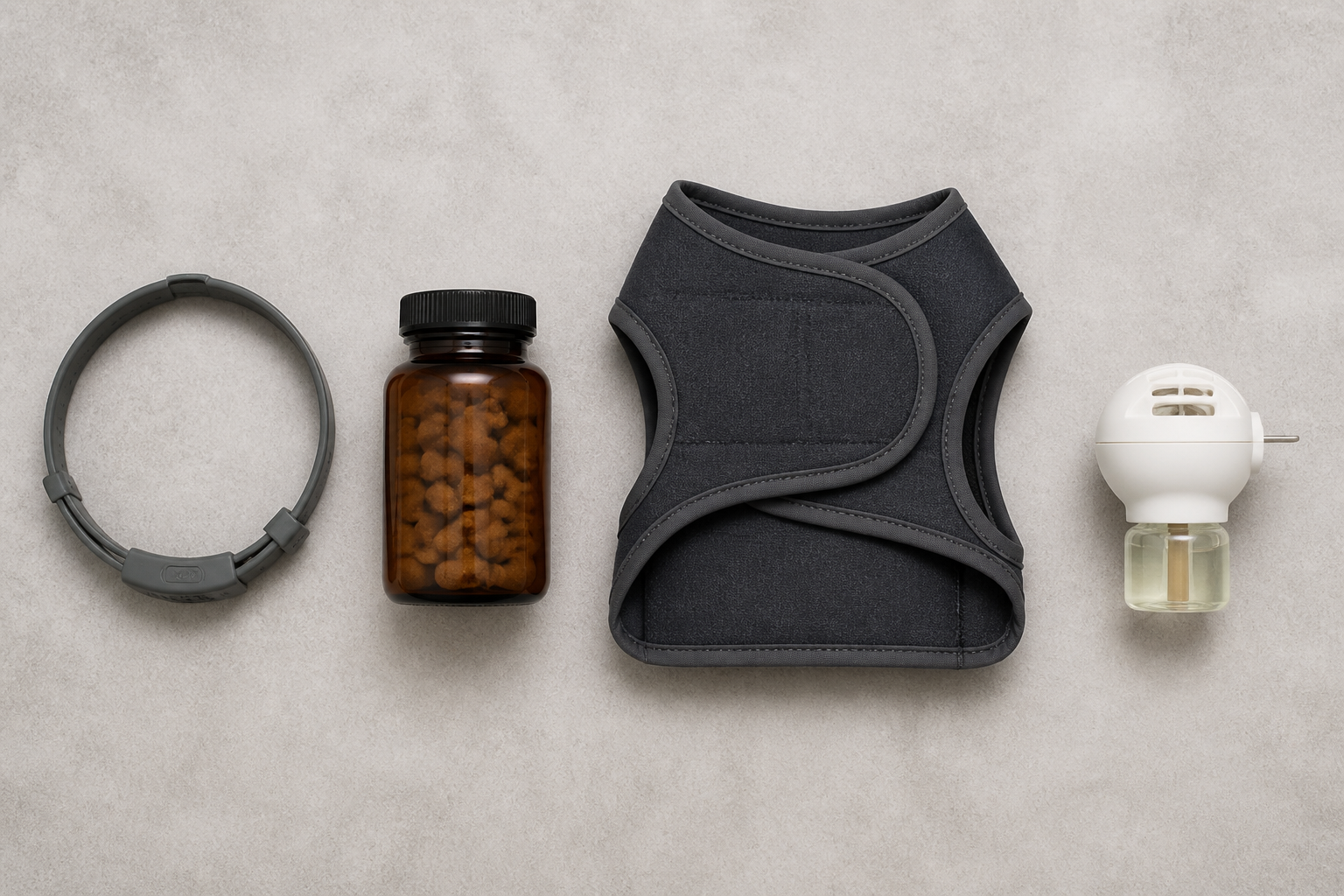
| Solution | Best For | Ease of Use | Cost (Approx.) | Evidence Level |
|---|---|---|---|---|
| Pheromone collar | Mild/situational anxiety | Very easy | $15–$30/month | Moderate |
| Calming supplements | Ongoing mild anxiety | Easy | $20–$50/month | Varies by ingredient |
| Anxiety vest/wrap | Noise phobia, storms | Easy | $30–$50 one-time | Moderate |
| Pheromone diffuser | Home-based anxiety | Easy (plug-in) | $25–$45/month | Moderate |
| Behavioral training | All anxiety types | Requires commitment | $100–$300+ | High |
| Prescription medication | Severe anxiety | Requires vet | Varies | High |
Choose a calming collar if: Your dog has mild to moderate situational anxiety, you want a hands-off solution that works passively, or you’re looking for something to complement training.
Choose behavioral training if: The anxiety is severe, chronic, or rooted in past trauma.
Choose prescription medication if: Your vet recommends it after ruling out other causes and trying behavioral approaches.
For owners curious about how pheromone products work across species, our article on calming pheromones for cats explores similar science with some interesting parallels.
Are There Any Side Effects or Risks to Watch For?
Pheromone collars are generally considered safe for most dogs, but there are a few things to watch. [3]
Potential issues:
- Skin irritation: Some dogs develop redness or irritation where the collar sits, especially if it’s too tight or worn continuously for weeks without a break.
- Scent sensitivity: Herb-based collars can be overwhelming for dogs with sensitive noses. Watch for signs of discomfort like pawing at the collar or avoiding it.
- No effect: Some dogs simply don’t respond to pheromone products. This isn’t harmful, just disappointing.
- Allergic reactions: Rare, but possible. If your dog shows swelling, excessive scratching, or respiratory changes, remove the collar and contact your vet.
Fit matters: A calming collar should fit snugly enough to maintain contact with the skin (since body heat activates the pheromone release) but not so tight that it causes discomfort. The general rule is two fingers fitting comfortably underneath. [5]
What Should You Look for When Buying a Calming Collar?
Not all calming collars are created equal. Here’s what actually matters when choosing one.
Key factors:
- Active ingredient: Look for DAP (Dog Appeasing Pheromone) or “dog-appeasing pheromone” on the label for the most research-backed option. [1]
- Duration: Most quality pheromone collars last 30 days. Shorter durations may mean weaker concentration.
- Size: Choose the right size for your dog’s neck. A collar that’s too loose won’t maintain proper skin contact.
- Brand reputation: Adaptil is one of the most recognized brands in the pheromone collar space, with multiple studies referencing their formulation. [5]
- Waterproof or water-resistant: If your dog swims or gets bathed frequently, this matters.
- No harsh chemicals: Check ingredient lists, especially for scent-based collars.
You can browse vetted options in our product comparisons and reviews section for side-by-side breakdowns of popular brands.
When Should You See a Vet Instead of Trying a Collar?
Some situations call for professional help before you try any over-the-counter solution.
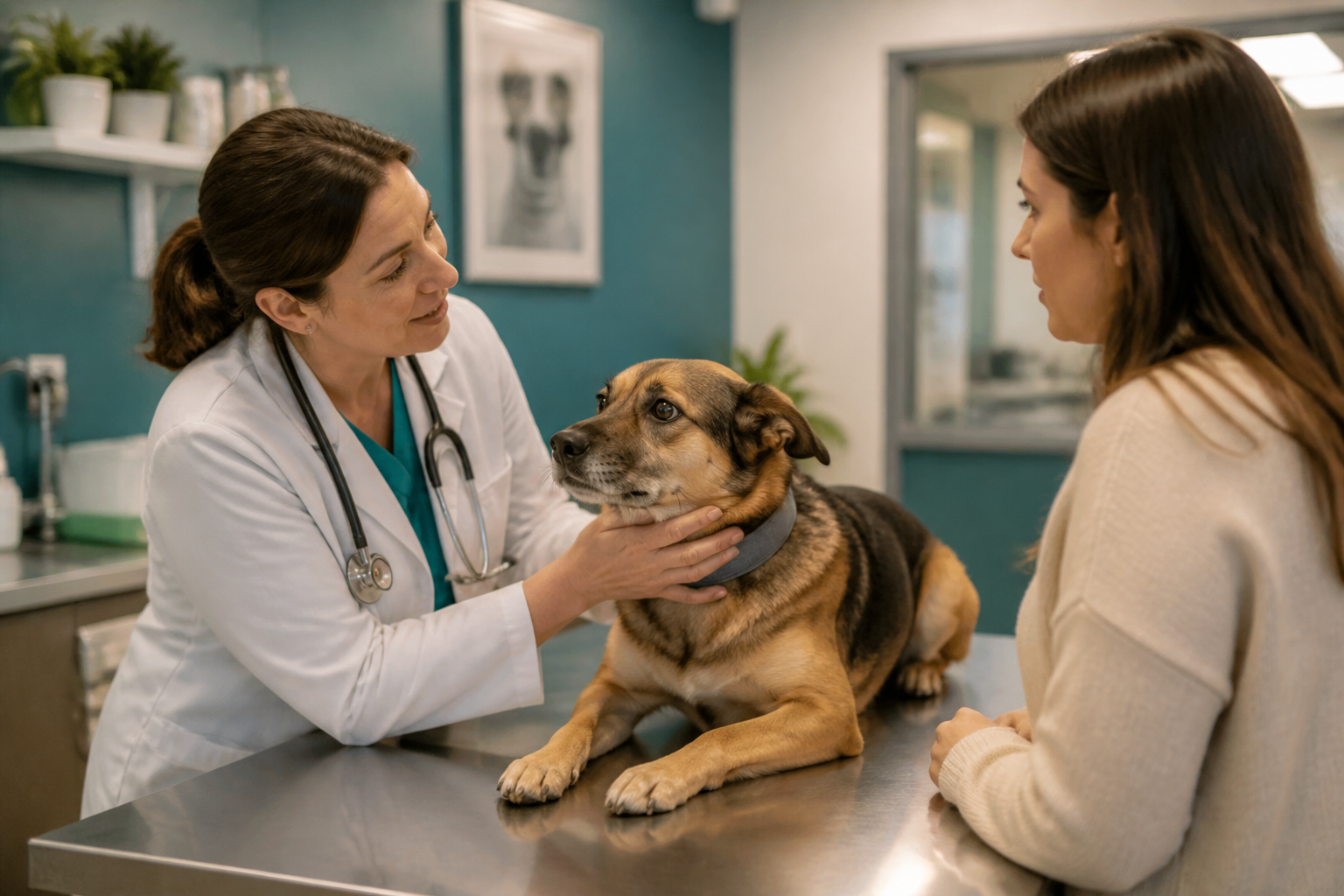
See your vet if your dog:
- Has developed sudden, unexplained anxiety with no clear trigger
- Is showing signs of physical distress (shaking, vomiting, loss of appetite)
- Has anxiety that’s getting progressively worse over weeks
- Is showing aggression alongside anxiety
- Has already tried a calming collar for 2–4 weeks with zero improvement
Sudden behavioral changes in dogs — especially in adult or senior dogs who were previously calm — can indicate pain, hormonal changes, cognitive dysfunction, or other medical issues. No calming collar is going to fix those.
For ongoing guidance on managing pet anxiety, the Pet Serenity Hub guides and tips section has resources covering everything from routine anxiety management to navigating vet visits with a fearful dog.
Conclusion: Are Calming Collars Worth Trying for Your Dog?
So, do calming collars work for dogs? Yes — for the right dog, in the right situation, with realistic expectations.
If your dog has mild to moderate anxiety tied to specific triggers (storms, travel, new environments), a pheromone-based calming collar is a low-risk, reasonably affordable option worth trying. The science supports it, and many owners report real improvements. [1][4]
But if your dog’s anxiety is severe, chronic, or suddenly appeared out of nowhere, a collar is a starting point at best. Pair it with behavioral support, environmental changes, and a conversation with your vet.
Actionable next steps:
- Identify your dog’s anxiety type — Is it situational or constant? Mild or severe?
- Try a pheromone collar for at least 2–4 weeks before deciding it doesn’t work.
- Put the collar on a few days before a known stressful event, not the morning of.
- Monitor for skin irritation and check the fit every few days.
- Combine with calming routines — quiet spaces, consistent schedules, gentle exercise.
- Book a vet appointment if anxiety is sudden, worsening, or accompanied by physical symptoms.
The collar won’t solve everything. But for many dogs, it’s a genuinely helpful piece of the puzzle.
Frequently Asked Questions
Q: Do calming collars work for all dogs?
No. Calming collars work best for dogs with mild to moderate situational anxiety. Dogs with severe or chronic anxiety typically need additional interventions like behavioral training or veterinary medication. [2]
Q: How long does it take for a dog calming collar to work?
Most pheromone collars begin releasing compounds immediately, but behavioral changes may take anywhere from a few hours to up to one week of consistent wear. [1]
Q: Are pheromone dog collars safe?
Yes, pheromone-based collars are generally considered safe for dogs. The main risks are minor skin irritation from prolonged wear or an improper fit. Allergic reactions are rare. [3]
Q: Can puppies wear calming collars?
Yes. Research has actually shown that DAP collars can help puppies become more curious, outgoing, and socially adaptable. [1] Always check the product label for age recommendations.
Q: Do calming collars work for separation anxiety?
They can help with mild separation anxiety. For moderate to severe separation anxiety, a collar alone is unlikely to be sufficient and should be combined with behavioral training. [2]
Q: How often do calming collars need to be replaced?
Most pheromone collars last approximately 30 days before needing replacement. Check the specific product instructions, as duration varies by brand. [5]
Q: Can I use a calming collar alongside other calming products?
Yes. Calming collars can be used alongside supplements, diffusers, or anxiety wraps. Always check with your vet before combining with prescription medications.
Q: What’s the difference between a calming collar and an anxiety vest?
A calming collar works through pheromone or scent release, while an anxiety vest (like a Thundershirt) applies gentle, constant pressure to the dog’s body, similar to swaddling. They work through different mechanisms and can be used together.
Q: Do scent-based collars (lavender, chamomile) work as well as pheromone collars?
Generally, no. Scent-based collars have less scientific backing and may actually irritate some dogs. Pheromone-based collars are the more evidence-supported option. [3]
Q: What should I do if the calming collar isn’t working after two weeks?
Try ensuring the fit is correct (collar should contact the skin). If there’s still no improvement after 2–4 weeks, consider consulting your vet about additional options including behavioral therapy or medication. [2]
References
[1] Do Calming Collars Work For Dogs – https://getfurlife.com/blogs/news/do-calming-collars-work-for-dogs
[2] Dog Calming Collars – https://www.rover.com/blog/dog-calming-collars/
[3] Do Dog Calming Collars Work – https://www.shopmimigreen.com/do-dog-calming-collars-work/
[4] Dog Calming Collar Do They Really Work – https://scrumbles.co.uk/blogs/dog/dog-calming-collar-do-they-really-work
[5] The Benefits Of Using A Calming Pheromone Dog Collar – https://www.adaptil.co.uk/blogs/news/the-benefits-of-using-a-calming-pheromone-dog-collar
[6] Thunderease For Dogs Calming Collar – https://thundershirt.com/products/thunderease-for-dogs-calming-collar