
Why Is My Dog Suddenly Anxious?
Why Is My Dog Suddenly Anxious? (Causes & What You Should Do)

Last updated: April 16, 2026
Quick Answer: Dogs become suddenly anxious most often because of a medical issue, a change in their environment or routine, a noise phobia, or the early stages of separation anxiety. In many cases, the trigger is identifiable and the anxiety is manageable with the right response. If the behavior came out of nowhere and is severe, a vet visit should be your first call.
Key Takeaways
- Sudden anxiety in dogs is common and usually has a clear cause — medical, environmental, or behavioral
- Pain and illness are leading triggers; anxiety can appear before obvious physical symptoms do [1][2]
- Changes in routine, new people, loud noises, and separation are among the most frequent non-medical causes [3]
- Around 20–25% of dogs show significant fearfulness toward new people, dogs, or situations [7]
- Watch for signs like panting, pacing, hiding, clinginess, and refusing food
- Never punish anxious behavior — it makes things worse
- Calming products (pheromones, supplements, wraps) can help, but they work best alongside routine and reassurance
- If anxiety is daily, worsening, or involves aggression, see a vet or certified behaviorist [2]
Why Is My Dog Suddenly Anxious?
Your dog was fine yesterday. Today, they won’t stop pacing, they’re glued to your side, or they’re hiding under the bed for no obvious reason. That shift — from normal to anxious almost overnight — is genuinely confusing and a little scary for most owners. [2]
So if you’re sitting there wondering why is my dog suddenly anxious, you’re not alone. This is one of the most common concerns dog owners search for in 2026, and the good news is: it’s usually explainable. And more often than not, it’s fixable.
Let’s work through what’s likely going on.
Common Causes of Sudden Dog Anxiety
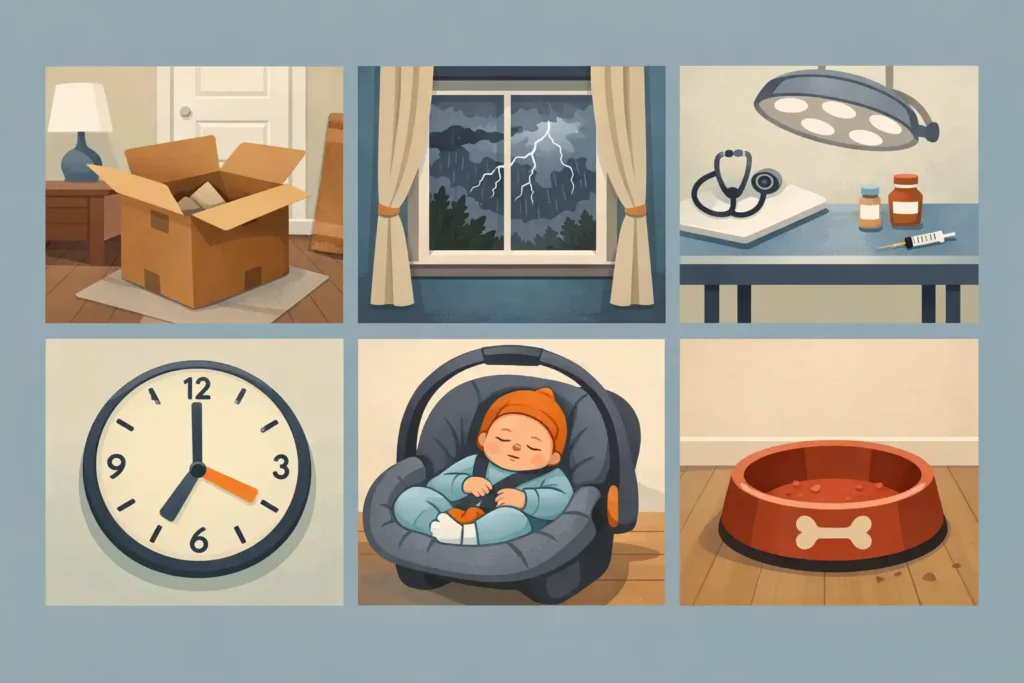
Sudden anxiety in dogs almost always has a root cause — it doesn’t just appear from nowhere. The tricky part is that dogs can’t tell you what’s wrong, so you have to play detective. Here are the most common culprits.
Medical Issues (This One Comes First for a Reason)
Pain is a huge driver of sudden behavioral changes. Dogs in discomfort — from an ear infection, dental pain, arthritis, or gastrointestinal upset — often show anxiety before they show any obvious physical symptoms. [1][2]
Hormonal conditions like thyroid disorders or Cushing’s syndrome can also cause sudden nervousness, restlessness, and apathy. [4][1] And in more serious cases, neurological issues like brain inflammation (encephalitis or meningitis) can cause abrupt personality shifts that seem to come out of nowhere. [5]
Bottom line: If your dog’s anxiety appeared suddenly and you can’t link it to anything obvious, rule out a medical cause first.
Changes in Routine or Environment
Dogs are creatures of habit. A new work schedule, a move to a different home, rearranged furniture, a new baby, or even a different feeding time can throw them completely off. [3][2]
This usually catches owners off guard because the change seems minor to us. But to your dog, their entire world shifted.
Separation Anxiety
A dog that was previously fine being alone can develop separation anxiety seemingly overnight. This often happens after a period of constant togetherness — like remote work, a vacation, or an illness — followed by a return to normal schedules. [2][1]
Signs include pacing, barking, house-soiling, or destructive behavior that only happens when you leave.
Noise Phobias
Thunderstorms, fireworks, construction sounds, beeping appliances — these can trigger intense fear responses. What’s surprising is that noise phobias can worsen with age, meaning a dog who was fine with storms at age three might be terrified of them at seven. [2]
Lack of Exercise or Mental Stimulation
An under-stimulated dog is often an anxious dog. Without enough physical activity and mental engagement, dogs can develop restlessness, nervous energy, and even aggression. [4] If your dog’s routine has gotten less active lately, that’s worth examining.
Past Trauma or New Triggers
Rescue dogs especially can develop delayed anxiety responses when exposed to new smells, sounds, or situations that remind them of past mistreatment. [2][6] Sometimes a trigger that seems completely random to you carries a lot of weight for your dog.
Aging
Older dogs can develop canine cognitive dysfunction (similar to dementia in humans), which causes confusion, disorientation, and anxiety — particularly at night. If your senior dog is suddenly restless at night and seems confused, this is worth discussing with your vet.
Signs Your Dog Is Anxious
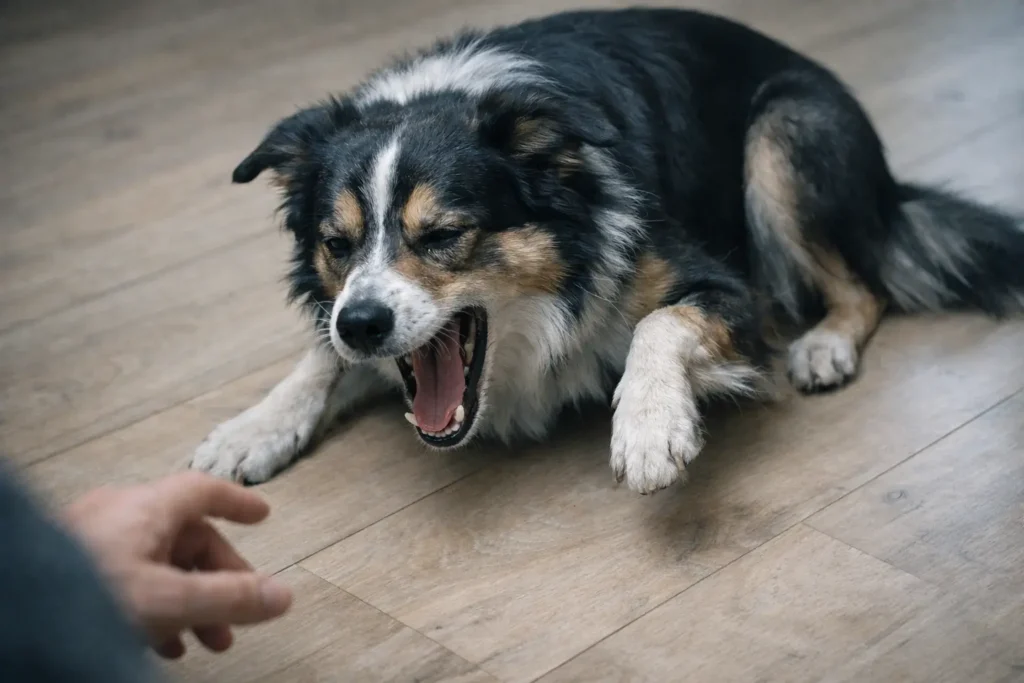
Recognizing anxiety early makes a big difference. Here are the most common symptoms to watch for: [2][8]
- Panting or yawning when there’s no obvious heat or tiredness
- Pacing or inability to settle
- Hiding under furniture or in small spaces
- Excessive clinginess or following you from room to room
- Trembling or shaking
- Refusing food or eating much less than usual
- Destructive behavior (chewing, scratching, digging)
- Excessive barking or whining
- House-soiling despite being trained
- Aggression — growling, snapping, or lunging in situations that wouldn’t normally trigger it
- Avoiding eye contact or withdrawing from social interaction [8]
One or two of these on their own might not mean much. But several together, especially appearing suddenly, is a clear signal something is off. [9]
What You Should Do Right Away
The first 24–48 hours after noticing sudden anxiety matter. Here’s a practical approach.
1. Stay calm yourself. Dogs read our energy. If you’re panicking or hovering, it can amplify their anxiety. Take a breath.
2. Check for obvious triggers. Did something change? New sounds in the neighborhood? A different schedule? A visitor? Sometimes the answer is right in front of you.
3. Don’t force interaction. If your dog is hiding or withdrawing, let them. Forcing contact when they’re overwhelmed makes things worse. Give them space and let them come to you.
4. Restore routine as much as possible. Feed at the same time, walk at the same time, keep the environment consistent. Predictability is calming for anxious dogs. [3]
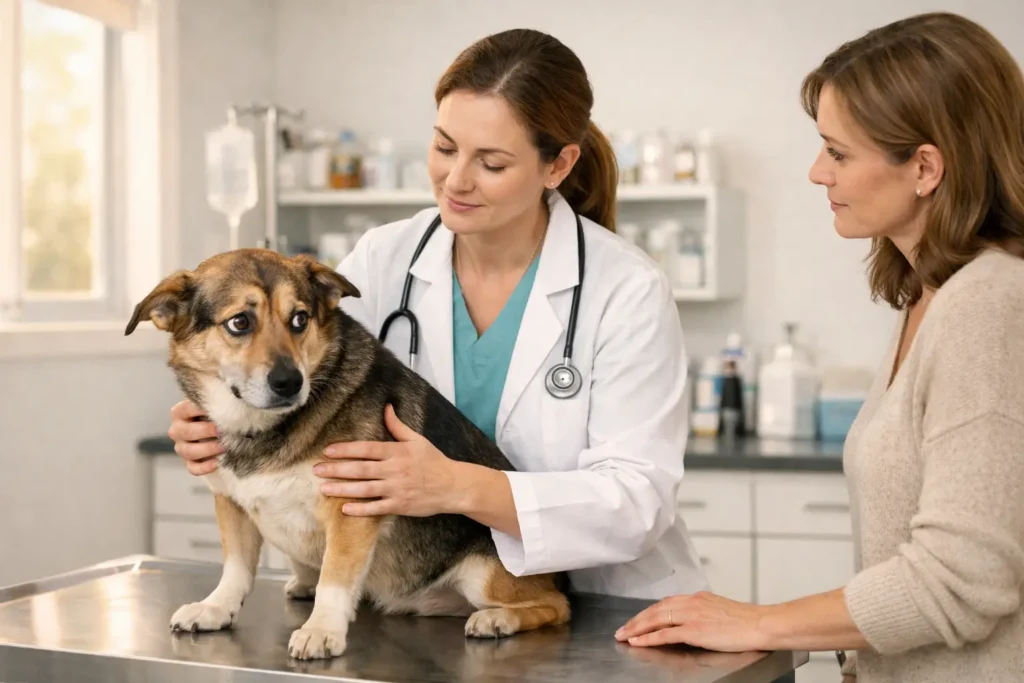
5. Rule out pain. Gently check for any signs of physical discomfort — limping, sensitivity when touched, changes in posture. If you suspect pain, call your vet.
6. Increase gentle exercise. A good walk or play session can burn off nervous energy. Don’t skip this step.
What Helps Calm Dogs Quickly
When your dog is actively anxious and you need to help them in the moment, these approaches tend to work well.
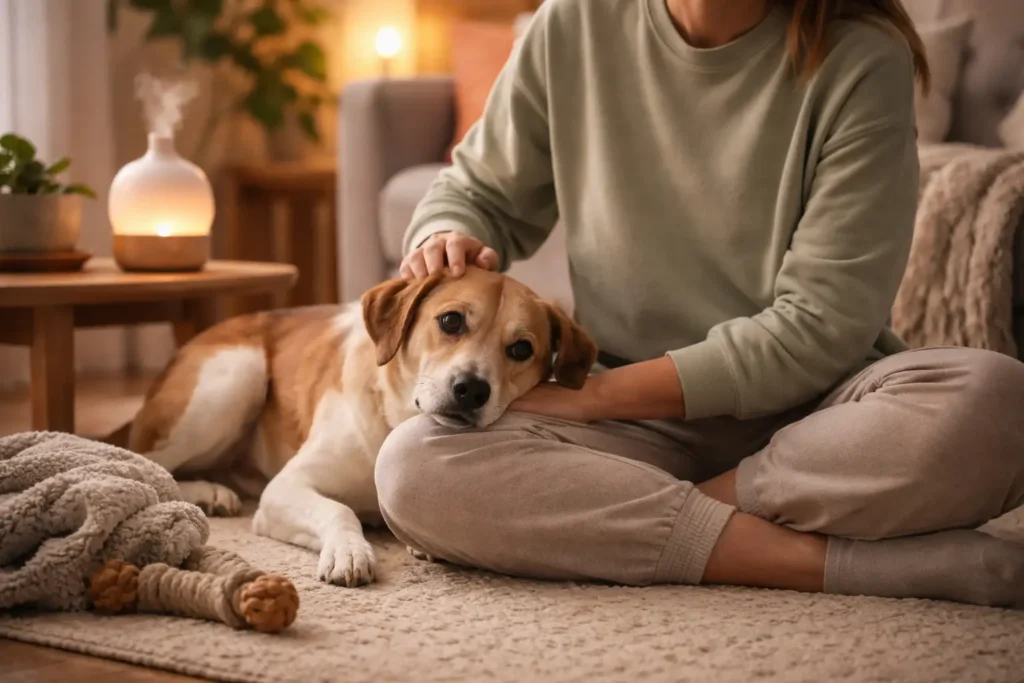
Create a safe space. A crate with a familiar blanket, a quiet corner, or their favorite spot — somewhere they associate with safety. Don’t block access to it.
Try gentle pressure. Many dogs respond well to light, steady pressure. A snug-fitting anxiety wrap or vest (like a Thundershirt) can have a calming effect during storms or stressful events.
Use calming touch. Slow, gentle strokes along the back — not excited petting — can help lower a dog’s heart rate. Think of it like a slow massage rather than enthusiastic play.
Background noise. Soft classical music or white noise can help mask triggering sounds. There’s actually a decent amount of research behind music designed specifically for dogs.
Engage their nose. Scent work and sniffing activities are naturally calming for dogs. Scatter a few treats in the grass and let them sniff around — it activates a different part of their brain.
Maintain your normal behavior. Don’t over-coddle or dramatically change how you act around them. Consistency from you signals that everything is okay.
For more practical tips on managing pet anxiety at home, the guides and tips section at Pet Serenity Hub covers a wide range of approaches for both dogs and cats.
When Calming Products Can Help
Calming products aren’t a cure, but they can genuinely take the edge off — especially during known stressors like fireworks, vet visits, or travel. Think of them as support tools, not solutions on their own.
Pheromone products are worth trying. Dog-appeasing pheromone (DAP) products mimic the calming scent a mother dog produces for her puppies. They come as diffusers, sprays, and collars. They don’t work for every dog, but for many, they make a noticeable difference. You can browse pheromone products for dogs and cats to see what’s available.
Calming supplements containing ingredients like L-theanine, melatonin, or valerian root are popular and generally safe for short-term use. Always check with your vet before starting any supplement, especially if your dog is on medication.
Calming chews are convenient and many dogs take them willingly as treats. Quality varies a lot between brands, so it’s worth reading reviews.
If you’re not sure where to start, the best calming aids for dogs in 2026 is a solid resource that breaks down the top options that have actually been tested and reviewed.
For a broader look at what’s available — including comparisons across different product types — the calming aids and supplements archive is a good place to explore.
One thing to keep in mind: calming products work best when combined with behavioral support. A supplement alone won’t fix separation anxiety or a noise phobia. But as part of a larger plan, they can be genuinely helpful.
When You Should Be Concerned
Most sudden anxiety has a manageable cause. But some situations call for more urgent attention.
See a vet promptly if your dog:
- Developed anxiety suddenly with no obvious environmental trigger [1]
- Is also showing physical symptoms (limping, vomiting, loss of appetite, excessive thirst)
- Is an older dog showing confusion, disorientation, or nighttime restlessness
- Has started showing aggression (growling, snapping, lunging) that’s out of character [2]
- Seems to be in pain when touched in certain areas
See a vet or certified behaviorist if:
- The anxiety is happening daily and not improving [2]
- Your dog can’t be left alone at all without a severe reaction
- Standard calming approaches aren’t making any difference after a few weeks
Neurological causes — like brain inflammation — are rare but real, and they require urgent veterinary care. [5] Don’t wait if something feels seriously off.
The Animal Humane Society’s guidance on monitoring behavior changes is a helpful reference for knowing when professional help is genuinely needed. [9]
Mistakes to Avoid
A few common owner responses actually make anxiety worse. It’s worth knowing what not to do.
Punishing anxious behavior. Scolding or punishing a dog for panting, hiding, or whining doesn’t teach them to stop being anxious — it teaches them that anxiety also brings punishment. That’s a recipe for a more fearful dog. [6]
Ignoring the signs. Hoping it’ll pass on its own sometimes works. But if anxiety is persistent or worsening, waiting too long means the behavior becomes more ingrained and harder to address. [9]
Over-reassuring in the wrong way. There’s a difference between calm, grounded reassurance and anxious, dramatic comforting. If you rush to your dog in a panicked way every time they seem worried, you may accidentally reinforce the anxiety. Stay calm, be present, but don’t make it a big production.
Inconsistent routines. Inconsistency is anxiety fuel for dogs. If their schedule changes constantly, they can’t predict what’s coming next — and unpredictability is stressful. [3]
Skipping the vet. Especially when anxiety appears suddenly with no clear cause. Medical issues are too common a trigger to skip this step. [1][2]
Conclusion
If you’re still asking why is my dog suddenly anxious, the most important thing to know is this: you’re asking the right question. The fact that you noticed, that you’re paying attention, already puts you ahead.
Start with the basics. Check for obvious triggers. Look at what’s changed in your dog’s environment or routine. If nothing obvious stands out, get a vet involved — because pain and illness are real, common causes that often get overlooked.
From there, it’s about consistency, calm, and patience. Restore routine. Create a safe space. Try gentle calming approaches. And if you need extra support, there are solid products that can help take the edge off while you work on the underlying cause.
Your dog isn’t trying to frustrate you. They’re telling you something’s wrong. With a little detective work and the right support, most cases of sudden dog anxiety do get better.
For more resources on pet anxiety — including product reviews, guides, and tips — explore the Pet Serenity Hub blog where we cover everything from calming aids to behavioral strategies in plain language.
Frequently Asked Questions
Q: Why is my dog suddenly anxious at night?
A: Nighttime anxiety in dogs is often linked to aging (canine cognitive dysfunction), pain that’s more noticeable when they’re still, or separation anxiety if they sleep alone. Senior dogs showing nighttime restlessness or confusion should be evaluated by a vet.
Q: Can dogs develop anxiety out of nowhere?
A: It can feel that way, but there’s almost always a cause. Medical issues, subtle environmental changes, hormonal shifts, or a triggering event you may not have noticed are the usual culprits. [2]
Q: My dog is acting weird suddenly — could it be a health problem?
A: Yes, and this should be your first consideration. Pain, ear infections, dental disease, arthritis, thyroid disorders, and neurological issues can all cause sudden behavioral changes before obvious physical symptoms appear. [1][5]
Q: How do I calm an anxious dog fast?
A: Create a quiet, safe space. Use gentle, slow petting. Try an anxiety wrap. Reduce stimulation. Avoid loud voices or excited energy. Calming chews or pheromone sprays can also help in the short term.
Q: Should I comfort my anxious dog or ignore the behavior?
A: Comfort them — but calmly. Panicked or dramatic reassurance can reinforce anxiety. Sit near them, speak softly, and act like everything is fine. That signals safety more effectively than excessive fussing.
Q: Can separation anxiety develop suddenly in adult dogs?
A: Yes. It often develops after a period of constant togetherness followed by a schedule change — like returning to work after working from home. [2]
Q: What’s the difference between fear and anxiety in dogs?
A: Fear is a response to a specific, present threat. Anxiety is anticipatory — it’s distress about something that might happen. A dog afraid of thunder shows fear during a storm; a dog anxious about storms may start pacing hours before one arrives.
Q: Do calming products actually work for dogs?
A: For many dogs, yes — especially pheromone products and supplements with L-theanine or melatonin. They work best as part of a broader approach that includes routine, exercise, and behavioral support. Results vary by dog.
Q: When should I see a vet about my dog’s anxiety?
A: If anxiety appeared suddenly with no clear cause, is worsening, involves aggression, or comes with physical symptoms, see a vet promptly. Daily anxiety that isn’t improving also warrants professional help. [2][9]
Q: Can lack of exercise cause sudden anxiety in dogs?
A: It can contribute significantly. Dogs without adequate physical and mental stimulation often develop restlessness and nervous behavior. If your dog’s activity level has dropped recently, that’s worth addressing. [4]
References
[1] Pet Behavior Red Flags: A Veterinarian’s Guide To Recognizing Serious Changes – https://northwoodveterinary.com/pet-behavior-red-flags-a-veterinarians-guide-to-recognizing-serious-changes/
[2] Dog Suddenly Anxious – https://www.petworks.com/articles/dog-suddenly-anxious/
[3] Is Your Pet Acting Differently? When To Worry About Sudden Behavior Shifts – https://missionvet.com/is-your-pet-acting-differently-when-to-worry-about-sudden-behavior-shifts/
[4] Plötzliche Wesensveränderung Beim Hund: Ursachen, Symptome Und Lösungen – https://equusir.com/en/blogs/equusir-dog/plotzliche-wesensveranderung-beim-hund-ursachen-symptome-und-losungen
[5] Dog Change In Behavior – https://sevneurology.com/blog/dog-change-in-behavior
[6] Behavior Problems Of Dogs – https://www.merckvetmanual.com/behavior/behavior-of-dogs/behavior-problems-of-dogs
[7] Dog Anxiety – https://www.petmd.com/dog/conditions/behavioral/dog-anxiety
[8] Signs Of Dog Communication You Should Never Ignore: Sudden Behavior Changes In Dogs – https://barku.com/signs-of-dog-communication-you-should-never-ignore-sudden-behavior-changes-in-dogs/
[9] Monitoring Behavior Changes In Your Dog And Knowing When To Seek Help – https://www.animalhumanesociety.org/resource/monitoring-behavior-changes-your-dog-and-knowing-when-seek-help