
Calming Aids, Pheromones for Cats & Dogs Plus Guides & Tips for Owners
Welcome to My Blog: My Journey to Finding the Best Calming Aid for Dogs and Cat Stress Relief with Calming Pheromones for Cats
Hi, I’m Jay — welcome to Pet Serenity Hub.
If you’ve ever watched your dog tremble through a thunderstorm or found your cat hiding for days after something as simple as a visitor, you know that sinking feeling. I’ve lived it more times than I’d like to admit.
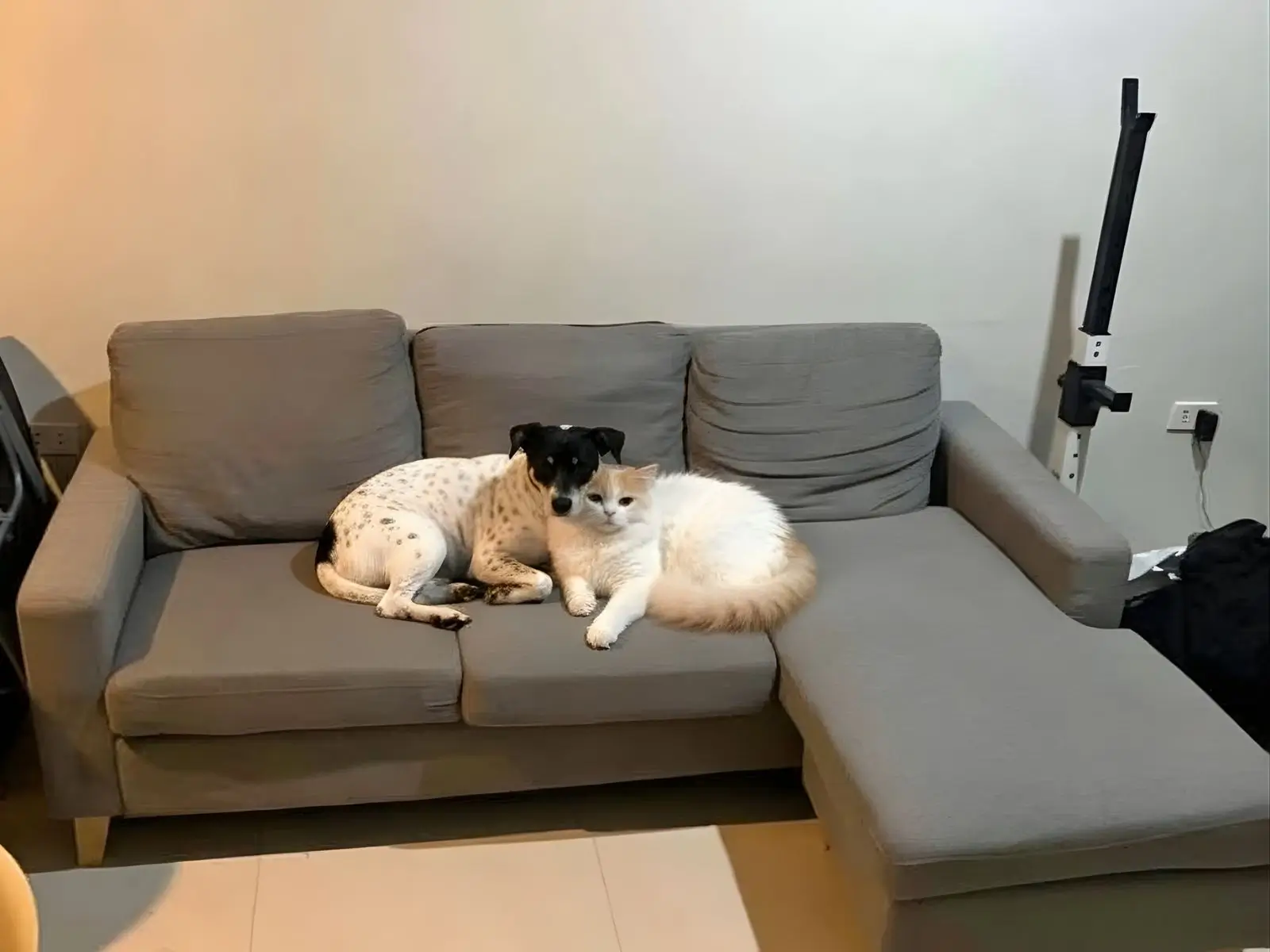
A few years back, my rescue dog Milo — this sweet, local breed dog — would completely lose it whenever thunder rolled in or fireworks popped off in the distance. He’d pace, pant, drool, and skip meals no matter how much I tried to soothe him with cuddles, white noise, or even those old-school “calm the dog” tricks. Around the same time, my cat Luna started stress-grooming herself bald in patches, avoiding her litter box, and jumping at every little sound. I felt helpless.
After endless searching and trial-and-error, I finally found real relief in pheromone products — things like Feliway diffusers for cats and Adaptil plug-ins or collars for dogs. The difference was huge: Luna stopped over-grooming and reclaimed her sunny windowsill spots, while Milo went from full panic to just mild pacing during storms. No drowsiness, no foggy brain — just calmer pets.
But the search was exhausting. So many “best calming aids” lists were pushy, outdated, or skipped the why behind what actually works. I spent weeks reading reviews, testing products, and chatting with other pet owners to figure out which dog appeasing pheromone collar actually survived zoomies and which cat pheromone diffuser lasted without smelling weird.
That’s why I created PetSerenityHub. This isn’t just another pet blog — it’s the honest resource I desperately needed back then. Here, you’ll find experience-based insights on calming aids & supplements, pheromone products, side-by-side product comparisons & reviews, situation-specific anxiety relief, and practical guides & tips for pet owners. I only share what I’ve tried myself or researched deeply (and yes, some links are affiliate ones that help support the site at no extra cost to you).
If your pet’s anxiety is keeping you up at night, stick around. Let’s get them (and you) to calmer days.
What’s your pet’s biggest trigger right now? Drop it in the comments — I read every one.
My Journey with Pet Anxiety: From Panic to Peace
It started small. Milo, my anxious rescue, would hide under the bed during rain. Then came the big stuff: fireworks on New Year’s, thunderstorms that shook the house. He’d shake so hard I could feel it through the floor. Luna’s stress showed differently — bald spots from licking, inappropriate peeing, and hiding whenever life changed even a little.
I tried it all: pressure wraps, treats, music playlists. Some helped a bit, but nothing consistent and gentle. That’s when pheromone products entered the picture — synthetic versions of natural calming signals (like a mom dog’s appeasing pheromones or a cat’s facial pheromones). They mimic safety without drugs.
For Milo, an Adaptil diffuser plugged in the living room cut his storm meltdowns dramatically. For Luna, Feliway Optimum made multi-cat tension (and my attempts at introductions) way smoother. It wasn’t magic, but it was real progress.
Understanding Pheromone Products: What Actually Worked for Us
Pheromones aren’t sedatives — they signal “this place is safe” to your pet’s brain. Here’s what I’ve seen make the biggest difference:
- For cats: Feliway Classic or Optimum diffusers are my go-to. They release feline facial pheromones to reduce hiding, over-grooming, and spraying. I’ve also tried sprays for travel or new furniture marking.
- For dogs: Adaptil (or ThunderEase, which uses the same tech) diffusers and collars. The collar was great for Milo during walks or car rides — it stayed on even when he got zoomy.
They’re non-sedating, safe for long-term use, and cover large areas (a good diffuser lasts about 30 days). I rotate refills and place them where my pets spend the most time.
Calming Aids & Supplements: Beyond Pheromones
Pheromones were game-changers, but I layered in other calming aids & supplements for tougher days. I stick to gentle, non-drowsy options:
- Chew treats or soft chews with ingredients like L-theanine or natural adaptogens (I’ve had luck with ones featuring ashwagandha trends in 2026).
- Probiotic-based supplements for gut-brain calm (some cats respond amazingly to these for stress-related litter issues).
- Herbal blends without heavy sedatives.
Always start low and watch for reactions — what works for one pet might need tweaking for another.
Product Comparisons & Reviews: Honest Takes from Real Testing
I hate vague “top 10” lists, so here I compare what I’ve actually used:
- Adaptil vs. generic dog pheromone collars: Adaptil lasts longer and fits better during play.
- Feliway Classic vs. Optimum: Optimum handles multi-cat or bigger stressors better in my home.
- Diffusers vs. collars/sprays: Diffusers for home base calm; collars for on-the-go.
I update these as new stuff comes out in 2026 — always from my own use or trusted feedback.
Situation-Specific Anxiety Relief: Tailored Help for Common Triggers
Different triggers need different approaches:
- Storms/fireworks: Pheromone diffuser + pressure wrap + white noise for Milo.
- Vet visits/travel: Spray pheromones on bedding/car + calming chews 30-60 minutes before.
- New pets or moving house: Start diffusers/sprays a few days early to create a “safe zone.”
- Separation: Plug-in pheromones + puzzle toys to build confidence gradually.
Identify your pet’s pattern — Luna hates change, Milo hates noise — and match the aid accordingly.
Guides & Tips for Pet Owners: Practical Advice I Wish I Knew Sooner
Here’s what helped me most:
- Start pheromones early (before stress peaks) for best results.
- Combine methods: pheromone + supplement + behavior tweaks.
- Track what works — I keep a simple journal of triggers and responses.
- Consult your vet if anxiety seems severe (rule out pain or health issues).
- Be patient — it can take days to weeks to see full effects.
Pet anxiety is common, but it doesn’t have to run your home. With the right tools and a bit of trial, you can see that relaxed, happy version of your furry friend again.
Thanks for being here. Let’s keep sharing what works — calmer pets, happier days.
Jay from PetSerenityHub